
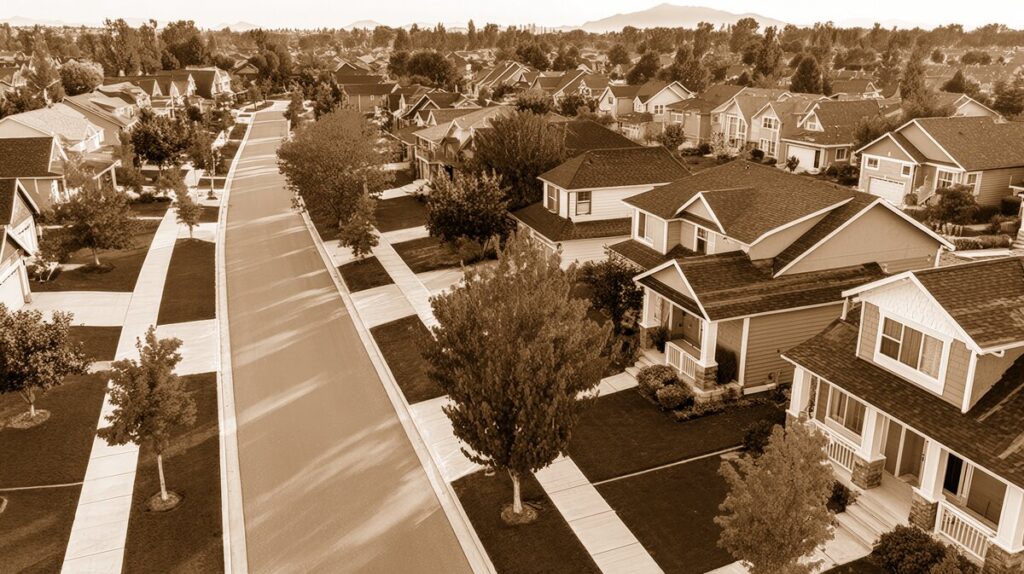
Nestled in the heart of Brooklyn Park, Minnesota, the Orchard Trail neighborhood stands as a testament to the rich history, evolving character, and communal spirit that define this thriving suburb. As you wander along the tree-lined streets, from Zane Avenue all the way past lush Willowstone Park, the sense of heritage is unmistakable—echoes of orchards, family-run farms, and generations of residents who have shaped Orchard Trail into a warm and welcoming place to call home.
From Farmland to Neighborhood: The Origins of Orchard Trail
Orchard Trail’s roots stretch deep into the 19th century, when much of Brooklyn Park was a patchwork of farmlands, fruit orchards, and open fields. If you close your eyes on a breezy summer afternoon, you can almost hear the laughter of children running between rows of apple trees and the clinking of baskets filled with fresh pears and plums. The neighborhood occupies a portion of what was once a large family-owned orchard, after which it would later be named.
During the late 1800s, Scandinavian immigrants flocked to this corner of Hennepin County, seeking fertile soil and land to build new lives. The area around what is now Orchard Avenue and 82nd Circle became particularly renowned for its fruit bounty, with local growers contributing to Brooklyn Park’s reputation as an “Orchard City” in the early 20th century. Road names like “Orchard Avenue” are a lasting tribute to these fruitful beginnings.
How Orchard Trail Got Its Name
The naming of the neighborhood is no accident or mere reflection of marketing trends. When city planners and local residents gathered in the 1970s to plan a residential development in what had become open farmland, stories of the old fruit orchards resurfaced like the roots of ancient trees. “Orchard Trail” was chosen as the official neighborhood name, both to honor the community’s agricultural heritage and to foster a sense of continuity. The nearby network of paths and walking trails, especially the loop that traces the gentle arc of Orchard Trail itself, still echoes with the spirit of those early groves.
Key Historical Milestones: Growth Through the Decades
With the suburban expansion of Brooklyn Park in the postwar years, Orchard Trail underwent several transformations:
- 1970s-1980s: Homebuilders constructed some of the first single-family houses along Aspen Lane North and 84th Avenue North, moving families out from Minneapolis and into a quieter, greener way of life. The distinctive split-level homes and ranches, many still sporting original wood facades, nod to the optimism of this era.
- 1990s: As Brooklyn Park’s population boomed, Orchard Trail saw the development of townhomes and updated community amenities. The opening of Willowstone Park added much-needed green space for recreation, while expanding the neighborhood’s identity as a place dedicated to families and outdoor living.
- 2000s-Present: Recent decades have brought increased diversity and vibrancy to Orchard Trail. Today, the streets hum with a multicultural blend of longtime residents and newcomers, all of whom contribute to a strong sense of neighborliness. Treasured community events—like the annual Orchard Trail Block Party and summer farmers’ markets—keep the neighborhood anchored in its past even as it looks to the future.
Notable Landmarks and Community Institutions
Orchard Trail’s landscape is marked by a handful of cherished landmarks—each bearing a story worth sharing:
- Willowstone Park: This green oasis, centered between 83rd Way and Peony Lane, is more than just a playground—it’s a gathering place for everything from birthday parties to pickup soccer games. Mature cottonwood trees provide shade for picnickers, while walking trails invite early morning joggers to reflect on their way through the dew. Rumor has it, a few of those trees are the direct descendants of the old orchard grove.
- Orchard Avenue and 82nd Circle: These intersecting roads are emblematic of the area’s identity, still lined by older houses with sprawling yards, some maintained by families who can trace their lineage back to original settlers.
- Brooklyn Park Evangelical Free Church: Located just a short walk from Orchard Trail, this institution has served as a bedrock for social activity, charity, and intergenerational gatherings over the decades. From scout meetings to community dinners, it embodies the neighborhood’s philosophy of “neighbors helping neighbors.”
Orchard Trail Today: A Neighborhood That Grows With You
Ask any resident what makes Orchard Trail special, and you’ll hear stories of tightly-knit block associations, generations of family running lemonade stands in the summer, and spontaneous snowball fights when winter blankets the area in white. The bike path winding along Zane Avenue, or the sight of children trekking home from school along Pinewood Court, evoke a timeless sense of small-town camaraderie—right in the middle of one of Minnesota’s largest cities.
For those who value diversity and growth, Orchard Trail is a living example of how neighborhoods can adapt without losing their soul. New faces are welcomed with bake sales and potluck suppers, local gardening groups still tend community plots, and the preservation of green space ensures that even as homes grow newer, the thread connecting Orchard Trail to its orchard roots remains unbroken.
Looking Ahead: Preserving Heritage While Embracing Change
The future of Orchard Trail remains as bright as its storied past. Local historian groups, often collaborating with Brooklyn Park’s Historical Society, work to record oral histories from older residents. New families, renters, and homeowners alike are invited to participate in the stewardship of public spaces, fostering a continuum of care.
Most importantly, Orchard Trail remains defined not by its buildings, but by its people—their shared commitment to preserving what is best about community, and their willingness to welcome change when it arrives. From the fruit groves of a century ago to the diverse neighborhood you’ll find today, Orchard Trail is a place that honors its heritage with every step along its winding paths.
Whether you’re a long-timer, a newcomer, or simply a curious visitor, Orchard Trail offers a rare blend of past and present. It’s a neighborhood where the roots run deep, memories are made for the future, and tradition is just another word for “home.”